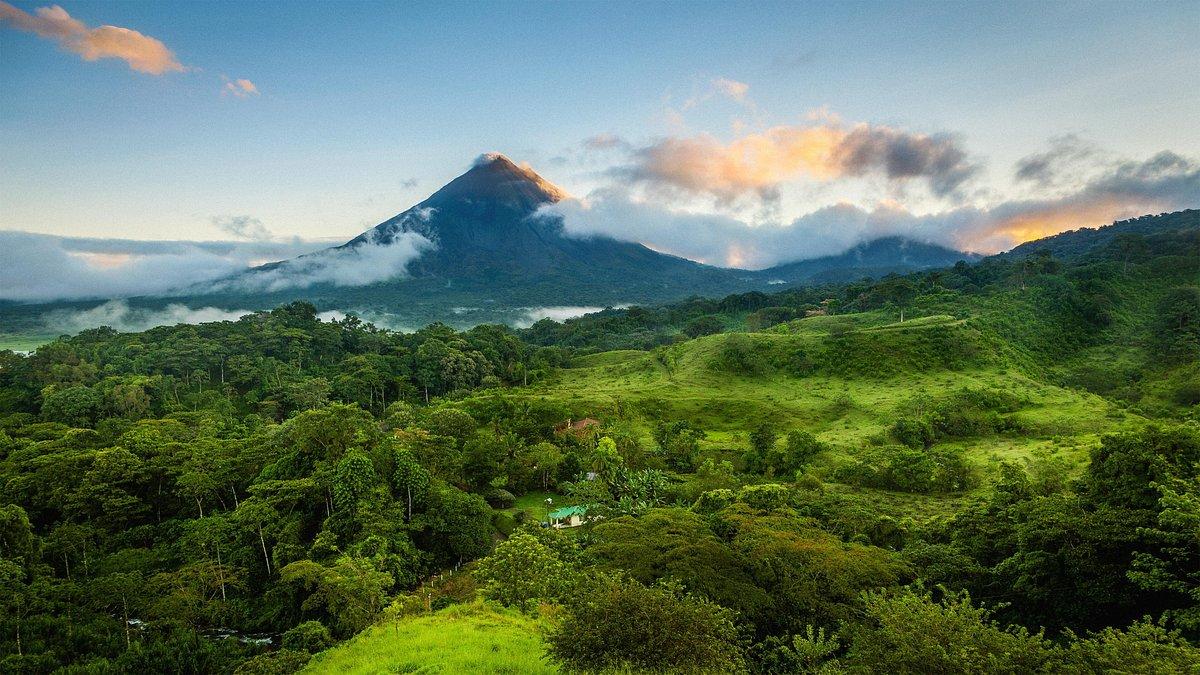
Costa Rica stands as one of the world's premier wildlife destinations, harboring an astonishing concentration of biodiversity within a territory smaller than West Virginia. This Central American nation protects approximately five percent of all species on Earth, despite covering just 0.03% of the planet's surface. From misty cloud forests where resplendent quetzals flash emerald plumage to lowland rainforests echoing with howler monkey calls, from turtle-nesting beaches to whale migration routes, Costa Rica offers wildlife encounters of exceptional quality and accessibility. The country's commitment to conservation has created extensive protected areas where animals thrive, while its well-developed ecotourism infrastructure ensures visitors can experience this natural wealth through expert-guided tours, elevated walkways, wildlife sanctuaries, and carefully managed observation points. Whether tracking sloths through jungle canopy, observing sea turtles nest on moonlit beaches, or spotting scarlet macaws against deep green foliage, wildlife tours reveal the full majesty of Costa Rica's living landscapes.
Rainforest Wildlife Diversity
Costa Rica's rainforests contain a staggering concentration of species across all taxonomic groups. Over 900 bird species inhabit the country - more than all of North America - including toucans with massive colorful bills, scarlet macaws flying in pairs through the canopy, motmots with pendulum tails, and hummingbirds hovering like jeweled helicopters. Four monkey species populate different forest zones: howler monkeys whose territorial roars carry for miles, white-faced capuchins known for intelligence and curiosity, endangered spider monkeys swinging acrobatically through high branches, and tiny squirrel monkeys traveling in large troops. Sloths represent Costa Rica's most iconic wildlife, with both two-toed and three-toed species hanging motionless in cecropia trees or moving in extreme slow motion through the canopy. Expert guides can spot these perfectly camouflaged creatures where untrained eyes see only leaves. Beyond mammals and birds, rainforests support incredible insect diversity including morpho butterflies with electric blue wings, leaf-cutter ant highways, and countless species of jewel beetles, walking sticks, and colorful poison dart frogs.
Marine and Coastal Wildlife
Both Pacific and Caribbean coasts provide exceptional marine wildlife experiences throughout the year. Five sea turtle species nest on Costa Rican beaches, with leatherbacks - the largest sea turtles weighing up to 2,000 pounds - creating one of nature's most moving spectacles as they lumber ashore at night to dig nests and deposit eggs. Organized turtle watching tours allow visitors to witness this ancient ritual while supporting conservation programs. Humpback whales migrate to Costa Rica's Pacific waters twice annually, with both northern and southern hemisphere populations arriving in different seasons, making Costa Rica one of the world's longest whale-watching seasons. Dolphins frequently bow-ride alongside boats, while snorkeling and diving reveal tropical fish, rays, reef sharks, and abundant coral formations. Coastal mangroves support distinctive ecosystems where caiman lurk in murky channels, roseate spoonbills wade on long legs, and boat-billed herons hunt at dusk. Boat tours through these tidal forests reveal wildlife impossible to see from land, including American crocodiles basking on mudbanks and basilisk lizards running across water surface.
Guided Nature Walks and Hiking
Guided nature walks with naturalist guides transform forest visits from pleasant hikes into immersive educational experiences. Expert guides possess encyclopedic knowledge of local ecosystems, spotting camouflaged wildlife invisible to untrained observers while explaining complex ecological relationships, animal behaviors, and conservation challenges. Early morning walks coincide with peak bird activity as species forage and call in cooler temperatures. Guides use spotting scopes to provide detailed views of canopy birds, identifying species by calls and explaining their ecological roles. Many tours visit specific sites known for reliable wildlife sightings - particular trees where sloths feed, fruiting figs that attract toucans and parrots, or stream crossings favored by agoutis and pacas. Walking quietly along well-maintained trails reveals an astonishing density of life, from poison dart frogs no larger than a fingernail to coatis rooting through leaf litter in groups, from morpho butterflies drifting through clearings to leaf-cutter ants carrying foliage fragments along established highways. The best guides create connections between visible wildlife and broader ecological concepts, illuminating how rainforest systems function.
Night Tours and Nocturnal Species
Rainforests transform completely after dark as diurnal species retire and nocturnal animals emerge. Night tours reveal an entirely different cast of wildlife rarely seen during daylight hours. Guides use flashlights to spot the eyeshine of creatures hidden in darkness - red-eyed tree frogs clinging to leaves, glass frogs so transparent their internal organs show through their skin, kinkajous raiding fruit trees with prehensile tails, and various possum species navigating branches overhead. Insects become particularly active and visible at night, including massive rhinoceros beetles, praying mantises, katydids mimicking leaves, and countless moth species attracted to lights. Owls hunt silently through the darkness while nightjars rest camouflaged on the ground. Many tours focus on amphibians, as over 130 frog species inhabit Costa Rica, with frogs calling loudly to attract mates after dark. The sounds of night rainforest create an extraordinary symphony - cascading frog calls, insect choruses, nightjar songs, and the occasional roar of a distant howler monkey marking territory. Night tours require different skills and sensibilities than day walks, moving slowly with headlamps, listening intently, and allowing eyes to adjust to darkness between sightings.
Wildlife Sanctuaries and Rescue Centers
Numerous wildlife sanctuaries across Costa Rica rehabilitate injured, orphaned, or confiscated animals while educating visitors about conservation. The Sloth Sanctuary on the Caribbean coast pioneered sloth research and rescue, caring for injured sloths while studying their biology and developing rehabilitation protocols. Visitors can observe sloths at various life stages and learn about threats these animals face from habitat loss, power lines, and vehicle strikes. Jaguar Rescue Center near Puerto Viejo treats hundreds of animals annually, from howler monkeys electrocuted by power lines to sea turtles injured by boat propellers, working toward eventual release back to wild populations. These centers provide rare opportunities to observe wildlife at close range while supporting important conservation work. Many facilities offer volunteer programs where visitors can participate in animal care, food preparation, and facility maintenance. Snake and reptile conservation centers showcase Costa Rica's incredible herpetological diversity, including venomous pit vipers, colorful tree snakes, and impressive iguanas, while educating visitors about these often-misunderstood animals. Butterfly gardens cultivate native plants that support butterfly life cycles, creating concentrated viewing opportunities while explaining metamorphosis and plant-pollinator relationships. These sanctuaries complement wild encounters by providing context, education, and direct conservation impact.
Canopy Access and Elevated Perspectives
Most rainforest wildlife inhabits the canopy layer 30 to 50 meters above the forest floor, creating challenges for ground-based observers. Costa Rica has pioneered various canopy access methods that bring visitors into the treetops where most biodiversity concentrates. Hanging bridges suspended between massive trees allow visitors to walk through the canopy at bird and monkey level, observing wildlife from perspectives normally reserved for researchers. Aerial trams and gondolas glide slowly through different forest strata, providing panoramic views and wildlife spotting opportunities without physical exertion. Some lodges have constructed observation towers reaching above the canopy for sunrise birding, where mixed-species flocks travel through at dawn. These elevated positions reveal wildlife invisible from below - sloths hanging motionless in branches, toucans perched on exposed limbs, monkeys traveling canopy highways, and raptors soaring on thermals. The canopy perspective also illuminates forest structure, showing how different plants occupy specific light and moisture zones, and how epiphytes, vines, and strangler figs create complex three-dimensional habitats. Combining ground-level walks with canopy access provides comprehensive understanding of rainforest ecology while maximizing wildlife observation opportunities across all forest strata.