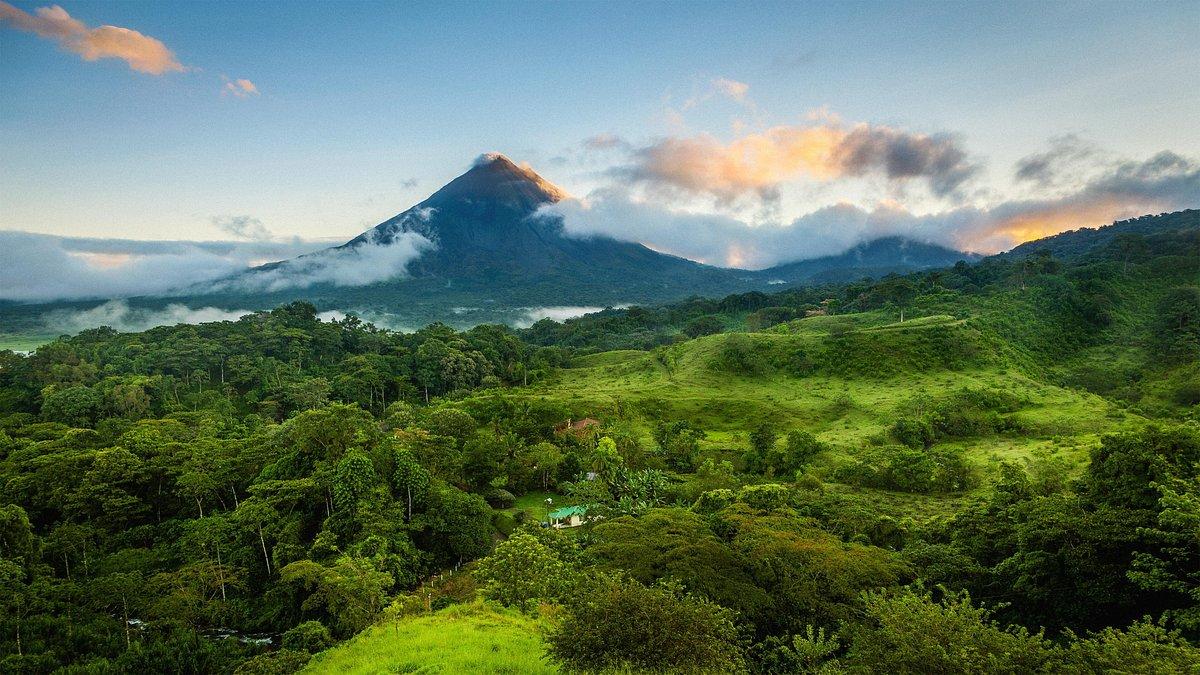
Costa Rica has pioneered the eco-lodge concept, creating a blueprint for sustainable luxury that harmonizes world-class comfort with environmental stewardship. These properties occupy some of the planet's most biodiverse landscapes, from mist-shrouded cloud forests to remote Osa Peninsula rainforests, from volcanic slopes to secluded Pacific coves. Modern eco-lodges transcend simple accommodation, functioning as conservation sanctuaries, research stations, and community partners while offering guests profound immersion in nature's rhythms. Solar power, rainwater harvesting, organic gardens, and carbon-neutral operations demonstrate that luxury need not compromise sustainability. Tree-level suites, open-air pavilions, and jungle-edge dining rooms dissolve boundaries between comfort and wilderness, allowing guests to fall asleep to howler monkey choruses and wake to scarlet macaw flights. This synthesis of environmental responsibility, authentic wilderness experience, and sophisticated hospitality represents hospitality's future.
Sustainable Architecture and Design
Costa Rica's leading eco-lodges demonstrate that sustainable construction elevates rather than constrains architectural beauty. Structures utilize reclaimed hardwoods, locally-sourced bamboo, and natural stone, creating spaces that belong to their environments rather than imposing upon them. Treehouse suites perch in forest canopies on platforms designed to minimize tree impact, placing guests at eye level with toucans and sloths. Open walls maximize natural ventilation while screened panels keep insects at bay, eliminating air conditioning needs. Thatched roofs channel tropical downpours into cisterns that supply all lodge water needs. Solar panels generate electricity while backup systems ensure comfort during cloudy periods. Composting toilets, greywater systems, and organic waste processing close resource loops. Many properties achieved carbon-neutral certification through renewable energy, forest protection, and carbon offset programs. This thoughtful design creates spaces where luxury manifests through harmony with nature rather than domination of it.
Wildlife Immersion and Biodiversity
The primary luxury eco-lodges offer is direct, unhurried access to extraordinary wildlife. Properties function as private reserves or buffer zones for national parks, protecting crucial habitat while providing guests unparalleled observation opportunities. Morning coffee on a private deck might feature troops of spider monkeys swinging through branches overhead, while evening cocktails accompany the aerial displays of chestnut-mandibled toucans. Naturalist guides lead dawn walks through primary forest, identifying poison dart frogs, leaf-cutter ant highways, and camouflaged sloths. Night tours reveal a parallel world of kinkajous, olingos, and glowing fungi. Strategic lodge placement near fruiting trees, mineral licks, or forest edges concentrates wildlife activity, allowing remarkable sightings without lengthy travel. Some properties maintain research partnerships with universities, giving guests access to ongoing studies of jaguar movements, sea turtle nesting, or bird migration patterns. This privileged wildlife access transforms abstract conservation into visceral connection.
Farm-to-Table Gastronomy
Eco-lodge cuisine celebrates Costa Rica's agricultural abundance through zero-kilometer menus sourced from organic gardens and regional partnerships. Executive chefs transform heart of palm, plantain blossoms, and heirloom tomatoes into refined dishes that honor Costa Rican culinary traditions while incorporating international techniques. Breakfast features tropical fruits picked that morning, farm-fresh eggs, and housemade breads from stone-ground flours. Multi-course dinners might showcase Pacific snapper with mango-ginger glaze, grass-fed beef tenderloin with coffee rub, or vegetarian tasting menus highlighting twenty varieties of lodge-grown produce. Many properties offer culinary tours where guests harvest vegetables, learn traditional cooking methods, and prepare regional specialties. Coffee served at breakfast comes from shade-grown beans cultivated on-property or sourced from neighboring micro-mills. This gastronomic approach reduces carbon footprints while supporting local farmers and providing guests authentic taste experiences rooted in place.
Regional Eco-Lodge Destinations
Costa Rica's diverse ecosystems host eco-lodges tailored to distinct environments and experiences. The Osa Peninsula harbors the country's most remote and wildlife-rich lodges, where guests access Corcovado National Park's legendary biodiversity including all four Costa Rican monkey species, scarlet macaws, and Central America's largest remaining jaguar population. Monteverde's cloud forest lodges immerse visitors in perpetual mist where resplendent quetzals nest and suspended bridges traverse forest canopies. Tortuguero's jungle waterways host lodges accessible only by boat, positioning guests to witness green sea turtle nesting and explore canal networks teeming with caimans and river otters. Arenal region properties combine volcanic landscapes with hot springs and rainforest, while southern Pacific lodges in the Golfo Dulce area offer marine and terrestrial wildlife in pristine coastal settings. Each region provides unique ecosystems and wildlife encounters, allowing travelers to match lodge destinations with specific natural history interests.
Community Partnerships and Cultural Exchange
Authentic eco-lodges recognize that environmental sustainability requires social sustainability, integrating community partnership into core operations. Properties prioritize local hiring and provide employees with above-market wages, benefits, and advancement opportunities. Culinary programs source from neighboring farms and cooperatives, creating reliable markets for organic produce and artisanal products. Cultural programming connects guests with indigenous traditions through workshops in traditional medicine, craft techniques, or ecological knowledge. Some lodges fund community infrastructure projects including schools, medical clinics, and clean water systems. Guide training programs provide young people with career paths in ecotourism as alternatives to logging or industrial agriculture. These partnerships transform tourism from extractive industry into regenerative force, ensuring conservation benefits extend beyond property boundaries while providing guests meaningful cultural exchanges that deepen understanding of Costa Rican life and values.
Wellness and Transformative Experiences
Beyond environmental and cultural offerings, eco-lodges provide space for personal renewal through nature immersion and holistic wellness programming. Yoga platforms perched at forest edges allow practice accompanied by bird song and morning mist. Spa treatments incorporate local botanicals including coffee scrubs, volcanic mud wraps, and aromatherapy using wild-harvested essential oils. Natural hot springs fed by volcanic aquifers provide therapeutic soaking beneath star-filled skies. The enforced digital detachment many remote lodges require creates rare opportunity for genuine disconnection from constant connectivity. Days structured around wildlife observation, forest walks, and outdoor dining naturally slow rhythms and restore perspective. Many guests report that eco-lodge stays catalyze lasting lifestyle changes regarding consumption, environmental awareness, and priorities. This transformative potential elevates eco-lodge experiences beyond vacation into pilgrimage, offering not just luxury and adventure but the possibility of returning home fundamentally changed by profound encounter with wilderness and sustainable living principles made manifest.