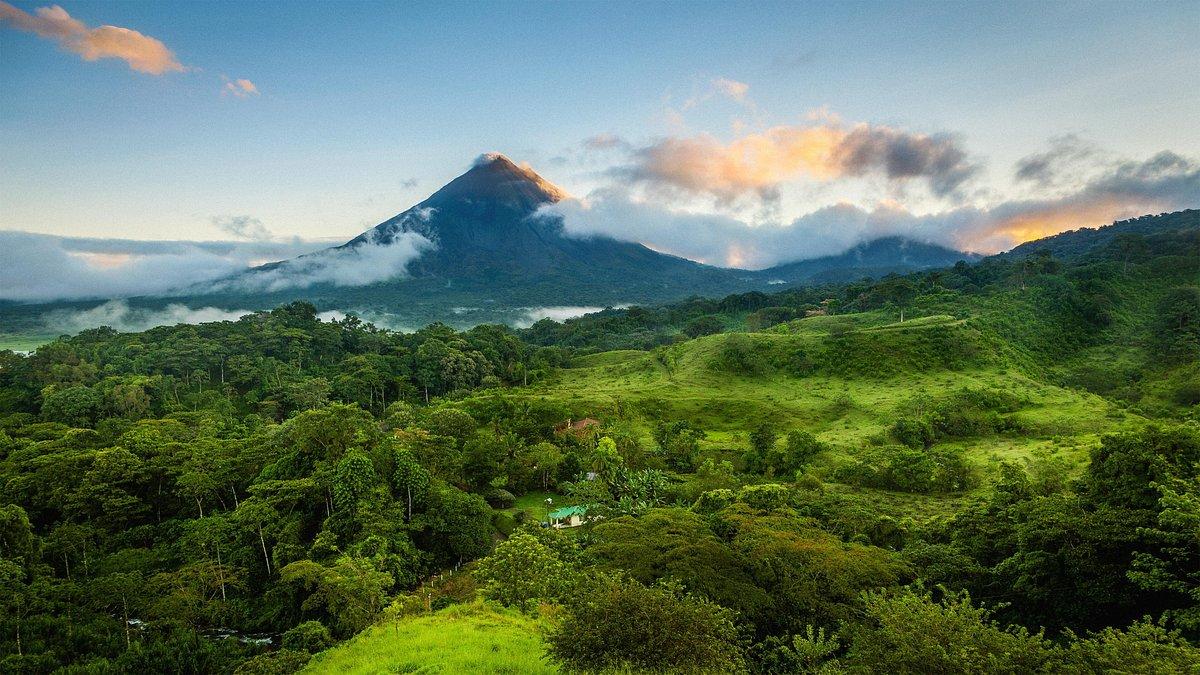
Manuel Antonio National Park stands as Costa Rica's crown jewel, where the tropical rainforest descends directly to meet pristine white sand beaches and turquoise Pacific waters. Despite being the country's smallest national park at just 1,983 acres, it protects an extraordinary concentration of biodiversity - sloths hang from branches overlooking the ocean, white-faced capuchin monkeys patrol the beaches, and over 350 bird species inhabit the dense canopy. The park's four beaches rank among Central America's most beautiful, framed by primary rainforest and granite headlands that create protected coves ideal for swimming and snorkeling. Beyond the park boundaries, the town of Manuel Antonio has evolved into a sophisticated beach destination offering luxury accommodations perched on jungle hillsides with sweeping Pacific views, world-class restaurants, and adventure activities that showcase this unique ecosystem where mountains meet the sea.
The Park's Beaches and Coastal Beauty
Manuel Antonio National Park protects four distinct beaches, each offering unique character and conditions. Playa Manuel Antonio, the park's signature beach, curves along a protected bay where calm waters invite swimming and snorkeling among tropical fish. Dense rainforest backs the white sand, providing shade and wildlife viewing opportunities steps from the water. Playa Espadilla Sur stretches longer and wider, offering more space to spread out while maintaining that stunning forest-meets-beach aesthetic. The pristine sands of Playa Playitas remain hidden at the park's southern end, requiring a short hike through forest that rewards visitors with a secluded cove perfect for quiet contemplation. Cathedral Point, a tombolo connecting the mainland to a forested island, creates dramatic scenery where rock formations frame turquoise waters. The beaches maintain their natural beauty through careful management - the park limits daily visitors to protect this fragile ecosystem where saltwater and rainforest ecosystems intersect.
Wildlife Encounters at Every Turn
The wildlife viewing at Manuel Antonio surpasses expectations even for Costa Rica. Three-toed and two-toed sloths drape themselves across branches in plain view, their deliberate movements and gentle nature making them crowd favorites. White-faced capuchin monkeys, highly intelligent and social, travel in troops through the canopy and along the beaches, often approaching visitors with curiosity. Mantled howler monkeys announce their presence with deep roars that carry through the forest, particularly at dawn and dusk. The endangered Central American squirrel monkey, found only on Costa Rica's Pacific coast, swings through the trees in energetic groups. Coatis shuffle along forest trails, their long snouts probing leaf litter for insects. Over 350 bird species include scarlet macaws that flash red and blue against green canopy, toucans with oversized bills, and tiny hummingbirds that hover at tropical flowers. The combination of accessible trails and abundant wildlife makes Manuel Antonio one of the world's most reliable destinations for observing tropical fauna in natural habitat.
Hiking Trails Through Primary Rainforest
Well-maintained trails wind through the park's primary and secondary rainforest, offering varying levels of difficulty and different perspectives on this diverse ecosystem. The main trail system connects the beaches while passing through several forest types, from coastal vegetation adapted to salt spray to tall rainforest where massive trees create a multilayered canopy. The Sloth Trail lives up to its name, with high concentrations of these beloved creatures often visible from the path. The Cathedral Point Trail climbs to panoramic viewpoints where forest, ocean, and offshore islands create stunning vistas - photographers particularly treasure these elevated perspectives at golden hour. Secondary trails branch off to quieter sections where wildlife viewing improves in the reduced human presence. Experienced guides enhance the experience significantly, their trained eyes spotting camouflaged creatures and their knowledge providing context about ecological relationships. The park's compact size means visitors can experience beaches, forest, and viewpoints in a single morning, though many spend full days exploring different trails and beaches.
Luxury Accommodations with Jungle Views
The hillsides surrounding Manuel Antonio National Park host some of Costa Rica's most spectacular accommodations, where luxury properties nestle into the rainforest with panoramic Pacific views. Infinity pools seem to float above the jungle canopy, open-air restaurants serve gourmet cuisine with ocean breezes and monkey sightings, and private villas offer complete immersion in nature without sacrificing modern comforts. Many properties embrace sustainable design, using natural ventilation, local materials, and renewable energy while providing five-star amenities. The town of Quepos, just minutes away, supplies authenticity and infrastructure - local restaurants, fishing charters, and services that support the resort area. Accommodations range from intimate boutique hotels with handful of rooms to larger resorts with full spas and multiple pools. The unique topography means even moderately priced properties often feature stunning views, with winding roads climbing hillsides where each curve reveals new perspectives on the Pacific coastline and forested mountains.
Adventure Activities Beyond the Park
While the national park anchors the region, surrounding areas offer extensive adventure opportunities. Zip-line canopy tours through the rainforest provide aerial perspectives on the ecosystem, with some courses featuring platforms in massive trees and Tarzan swings over valleys. White-water rafting on nearby rivers ranges from family-friendly floats to challenging rapids through remote jungle canyons. Stand-up paddleboarding and kayaking in protected mangrove estuaries reveal a different ecosystem where roots create underwater habitat for juvenile fish and birds stalk the shallows. Sport fishing for marlin, sailfish, and dorado attracts anglers year-round, with Quepos Marina serving as the departure point for both inshore and offshore charters. Waterfall rappelling, horseback riding through mountain forests, and ATV tours on mountain trails add variety for active travelers. Evening catamaran cruises along the coast combine sunset views with snorkeling stops and open bars, popular for groups and romantic occasions. The concentration of activities within short distances makes Manuel Antonio ideal for visitors wanting variety without constant travel.
Practical Considerations and Best Times
Manuel Antonio National Park limits daily visitors and requires advance reservations during peak season, making planning essential. The park closes on Mondays for ecosystem recovery. Arriving at opening time ensures better wildlife viewing before afternoon heat and crowds, plus parking availability becomes challenging later in the day. Hiring certified guides significantly enhances the experience - they carry spotting scopes that bring distant wildlife into clear view and provide ecological context that transforms observation into understanding. The dry season from December through April brings guaranteed sunshine and calmer seas, though this popularity means higher prices and advance booking requirements. The green season from May through November offers advantages - fewer visitors, lush landscapes, lower rates, and excellent wildlife viewing as fruiting trees attract animals. Afternoon rains typically clear quickly, and mornings remain beautifully clear. The combination of accessible wildlife, stunning beaches, luxury accommodations, and adventure activities concentrated in a compact area makes Manuel Antonio one of Central America's most complete tropical destinations, where every element comes together to create an unforgettable coastal rainforest experience.